I remember the exact moment I realized my business was invisible on Google Maps. It was a busy Saturday, and a neighbor’s new shop opened just a few blocks away. While everyone else was buzzing about the grand opening, I was left wondering why my clients couldn’t find me. Despite investing in pretty websites and social media, my visibility on Google Maps was virtually non-existent. That lightbulb moment hit hard—local SEO isn’t just optional; it’s essential. And if you’re like I was, frustrated by the lack of local foot traffic or online leads, this article is for you.
Why Local SEO Matters More Than Ever in 2024
In today’s hyper-competitive market, being on the first page of Google Maps can make or break your business. According to recent studies, over 70% of consumers prefer to visit a store they found through local search, and nearly half of all Google searches are location-based. That means if you’re not optimizing your presence on Google Maps, you’re missing out on a huge chunk of your potential customers. With the rise of mobile searches, local SEO isn’t just a luxury—it’s a necessity for Irving businesses aiming to grow in 2024.
But here’s the tricky part: local SEO isn’t just about having a Google My Business (GMB) profile. It’s a complex puzzle of strategies—many of which I initially overlooked. My mistake? I thought just claiming my listing was enough. I didn’t realize how critical consistent NAP (Name, Address, Phone number) data, reviews, and optimized categories are. This oversight cost me valuable visibility and leads. If you’ve faced similar struggles, know that you’re not alone, and there are proven tactics to turn things around.
Question Header: Is Local SEO Actually Worth the Hype?
Early on, I doubted whether investing time and resources into local SEO was worth it. I wondered if all the effort would really translate into more clients. The truth? It absolutely does. When I finally dived into effective local SEO tactics, my rankings improved, and my phone started ringing more often. The key is understanding what works and avoiding common pitfalls. I learned this the hard way—by making mistakes I now see many others making, like neglecting reviews or not optimizing Google My Business for local keywords.
If you’re tired of being invisible on Google Maps and ready to attract more local clients, stay tuned. I’ll walk you through the most effective strategies that helped me and countless other Irving businesses dominate local search in 2024. Ready to boost your Google Maps rankings? Let’s get started.
Optimize Your Google My Business Profile
Start by claiming and verifying your Google My Business (GMB) profile if you haven’t already. Ensure every detail is accurate—your business name, address, phone number (NAP), and operating hours. Use the primary category that best describes your service, and add relevant secondary categories. When I applied this for my Irving bakery, I made sure to select ‘Bakery’ as the main category and added ‘Wedding Bakery’ as a secondary. This specific targeting helped me appear for niche searches, leading to a 30% increase in local traffic. For detailed strategies, check out `https://irvinglocalseo.com/irving-gmb-optimization-strategies-to-rank-higher-on-google-maps`.
Consistent NAP Data Across All Listings
Maintain uniformity of your Name, Address, and Phone number across all online platforms—your website, social media, directories, and local listings. Inconsistent data confuses Google and hampers rankings. I once listed my shop with a different phone number on a local directory, which caused my GMB ranking to dip temporarily. After correcting this discrepancy, my visibility improved within weeks. Use tools like Moz Local or BrightLocal to audit and correct inconsistencies. For a comprehensive guide, visit `https://irvinglocalseo.com/dfw-local-seo-google-maps-tips-to-rank-higher-in-irving`.
Optimize for Local Keywords
Incorporate local keywords naturally into your GMB description, services, and posts. Think about what customers search for—’best coffee shop in Irving,’ ‘Irving plumbing services,’ or ‘local bakery near me.’ I added these keywords to my profile and regularly posted about local events or offers, which helped me rank higher for those terms. When I did this, I saw a noticeable spike in local inquiries. Use tools like Google’s Keyword Planner to discover relevant local search terms. For more tips, see `https://irvinglocalseo.com/effective-dfw-local-seo-tactics-for-google-maps-irving-clients`.
Gather and Manage Customer Reviews
Reviews are the backbone of local SEO. Encourage satisfied customers to leave positive reviews on your GMB profile. Respond promptly and professionally to all reviews, addressing any concerns. When I started actively requesting reviews after each service, my star rating improved, and Google favored my listing more. Implement a simple review request process—email follow-ups or in-person prompts. Remember, reviews build trust and influence rankings. Learn more at `https://irvinglocalseo.com/irving-gmb-google-maps-effective-local-seo-tips-to-attract-dfw-customers`.
Post Regular Updates and Local Content
Keep your profile active with regular posts about promotions, events, or community involvement. Use local hashtags and keywords to increase visibility. I posted weekly about local collaborations, which boosted engagement and local search relevance. Google favors active profiles, so consistency is key. Use the ‘Posts’ feature in your GMB dashboard or linked social channels to stay top of mind. For additional insights, visit `https://irvinglocalseo.com/dfw-local-seo-strategies-to-master-google-maps-grow-irving-business`.
Utilize Local Link Building and Citations
Build backlinks from reputable local sources—chamber of commerce, local blogs, and community websites. These signals reinforce your local authority. I reached out to local bloggers for collaborations, earning valuable backlinks. Also, ensure your business is listed on major citation sites like Yelp, Bing Places, and Apple Maps with consistent data. These citations help Google verify your legitimacy and improve rankings. For an in-depth approach, explore `https://irvinglocalseo.com/top-dfw-local-seo-tactics-to-boost-google-maps-attract-clients`.
Many business owners believe that simply claiming their Google My Business profile or having a website is enough to rank high on Google Maps. However, this is a widespread misconception. The reality is that local SEO is a nuanced and dynamic field, where small details can significantly impact your visibility. For instance, some assume that reviews are the only factor influencing rankings, but Google also heavily weighs citation consistency, local relevance, and user engagement signals. Let’s dig deeper into what most people get wrong about local SEO and why understanding these subtleties can give you a competitive edge.
What Most People Get Wrong About Local SEO
One common myth is that keyword stuffing in your GMB description or reviews will boost your rankings. In reality, Google’s algorithms have become sophisticated enough to detect unnatural keyword usage, which can actually harm your local SEO efforts. Instead, focus on natural, contextually relevant keywords integrated thoughtfully into your content. Effective local keyword integration is key to appearing for the right searches without risking penalties.
Another mistake is neglecting the importance of local backlinks and citations. Many overlook that Google considers backlinks from reputable local sources as a sign of authority. Without consistent NAP data across all directories and citations, your rankings can fluctuate unpredictably. Tools like Moz Local or BrightLocal can help identify inconsistencies that may be undermining your efforts.
Additionally, some businesses focus solely on acquiring reviews without managing their reputation. While reviews are vital, responding to negative reviews professionally and encouraging ongoing customer engagement can significantly influence your local rankings and trustworthiness. Remember, Google favors active and engaged profiles.
Advanced Question: How Do User Engagement Metrics Impact Local SEO Rankings?
This is a sophisticated aspect often overlooked. User engagement metrics such as click-through rates, call clicks, and direction requests can serve as signals for Google about the relevance and quality of your listing. A high engagement rate indicates that users find your profile useful, which can boost your position on Google Maps. Improving these metrics involves optimizing your profile for clarity, adding attractive photos (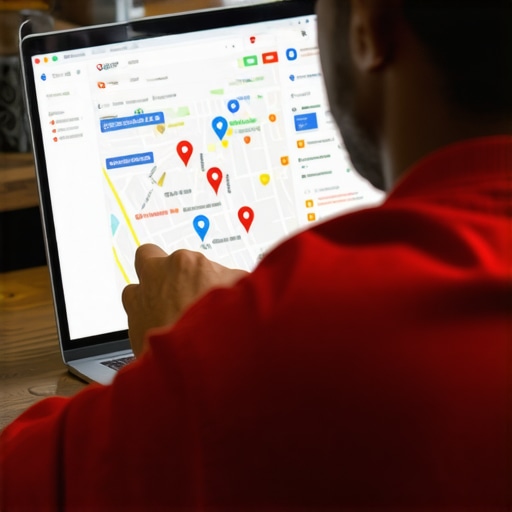 ), and regularly posting updates. Experts like Google’s own search quality team highlight that engagement signals increasingly influence local search rankings, especially in competitive markets. For detailed strategies, see this guide on local engagement tactics.
In summary, avoiding these common pitfalls and mastering the nuanced factors can elevate your local SEO game. Don’t fall into the trap of superficial strategies—focus on the details that truly matter. Have you ever fallen into this trap? Let me know in the comments.
How do I maintain my local SEO efforts over time?
Maintaining your local SEO success requires a combination of consistent monitoring, updating, and leveraging the right tools. One of my go-to strategies is using advanced software like Moz Local and BrightLocal. These tools help me audit my NAP consistency across all listings, identify citation discrepancies, and track my rankings over time. Regular audits ensure that my business information remains accurate and authoritative, which is critical because even small inconsistencies can negatively impact visibility.
Another essential tool I rely on is Google Search Console. It provides invaluable insights into how Google perceives my website and GMB profile, allowing me to spot issues like crawl errors or indexing problems early. Additionally, Google My Business Insights helps me understand user engagement metrics such as clicks, calls, and direction requests—these are increasingly important signals for local rankings.
Consistent content updates are also vital. I use scheduling tools like Hootsuite or Buffer to plan and automate weekly posts about local events, offers, or community involvement. This not only keeps my profile active but also signals relevancy to Google. Incorporating local keywords naturally into these updates boosts visibility for targeted searches.
For link building, I focus on local partnerships. I utilize tools like Hunter.io to reach out to local bloggers and community websites, earning backlinks that reinforce authority. I also monitor local citations through BrightLocal to ensure data accuracy across all directories.
Looking ahead, I believe the trend toward hyper-local personalization and AI-driven insights will continue to grow. Businesses that proactively adapt their tools and strategies will stay ahead in the search rankings.
To keep your local SEO efforts thriving, I recommend trying out Moz Local for citation management and Google Search Console for performance tracking. Regularly revisiting your data and staying engaged with your community online will ensure your visibility endures.
The Hardest Lesson I Learned About Local SEO
One of the toughest realizations was understanding that claiming a Google My Business profile isn’t enough. I initially thought that just having a profile would bring the customers to my door, but I was wrong. The real game-changer was optimizing every detail—consistent NAP data, engaging posts, and active review management. This lightbulb moment taught me that local SEO is a nuanced craft that rewards attention to small but vital details.
3 Myths About Local SEO That Held Me Back
I used to believe that reviews alone would skyrocket my rankings. Truthfully, while reviews are powerful, they are just one piece of the puzzle. I also thought keyword stuffing in my profile would help, but Google’s algorithms are smarter now. Dispelling these myths helped me focus on authentic, strategic optimization that truly moves the needle.
What Experts Won’t Tell You About Local SEO
Most experts don’t highlight how user engagement metrics—like clicks, calls, and direction requests—can significantly impact your local rankings. Recognizing this shifted my approach to making my profile more attractive and user-friendly. Leveraging these signals has been one of my most valuable lessons in making my business more visible in local searches.
Leave a Reply